How long should you ice bath after training?
No duration is safe for everyone. To start, 30–60 seconds at 6–8 °C can be a cautious reference, not a minimum. The 0–2 °C pool is much more intense. Ask our team and leave immediately if you feel unwell; 120 minutes of Free Flow does not mean 120 minutes of cold.
How many minutes of cold per week make sense?
A fixed weekly minute target is not a personal safety measure. Frequency and duration depend on your health, experience and how you feel that day. Rest and warming up fully matter more than a minute target.
Ice bath right after strength training?
If building muscle is your main goal, leave a few hours between strength training and the ice bath, or plunge on rest days — cold straight afterwards can dampen adaptation. After endurance, interval or competition days, cold may support perceived recovery. Rest first and consider how you feel; faster recovery is not guaranteed.
What does a recovery round at Zenctuary look like?
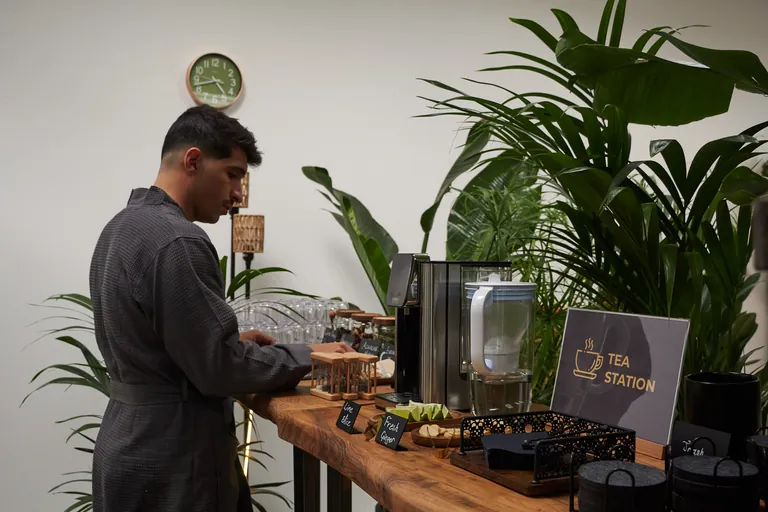
In the 120-minute Free Flow in the Fire & Ice zone: infrared sauna (65–75 °C), an optional short ice bath at 6–8 °C or 0–2 °C, then warm up fully and rest. Duration and number of rounds are individual, not prescribed. Finish with red light, massage chairs and tea in the rest zone. You choose the order.
What's the difference between 0–2 °C and 6–8 °C?
The 6–8 °C plunge is ideal for getting started and for longer, calm dips. The 0–2 °C plunge is the shorter, more intense stimulus for experienced users.
What does cold plunge recovery in Berlin cost at Zenctuary?
A 2-hour Free Flow slot with ice baths, infrared sauna, red light and rest zone costs €27.50 — no membership.
What are the benefits of an ice bath after training?
Many athletes find a cold plunge refreshing, calming and good for mental clarity. Research suggests cold can reduce perceived muscle soreness and fatigue after intense sessions. Effects vary and do not replace sleep, nutrition and training planning; we make no health claims.
Does an ice bath help with sore muscles?
For some people cold can ease the feeling of muscle soreness, especially after endurance and interval training. How much varies. Listen to your body rather than fixed expectations.
How do I prepare for my first ice bath?
Avoid a heavy meal right before, stay hydrated and don't arrive chilled or exhausted. Warm up in the infrared sauna, rinse off and start in the 6–8 °C plunge. Enter slowly, breathe calmly with long exhales and avoid frantic breath-holding. Afterwards: dry off, dress warmly or return to the sauna, then rest.
What should I bring for an ice bath?
Swimwear; two towels and a kimono can be rented on site for €5. Lockers need a small deposit, e.g. €10 or a debit card.
When should I not take an ice bath?
With cardiovascular conditions, high blood pressure, pregnancy, acute infections, fresh injuries or after alcohol, don't plunge — or only after talking to your doctor. If you feel dizzy, numb or shiver strongly, get out immediately and warm up.
How often per week can I ice bath?
Many guests come one to three times a week, often the day after hard training. There's no required frequency: recovery between plunges and how you feel matter more than routine at any cost.
What is an ice bath?
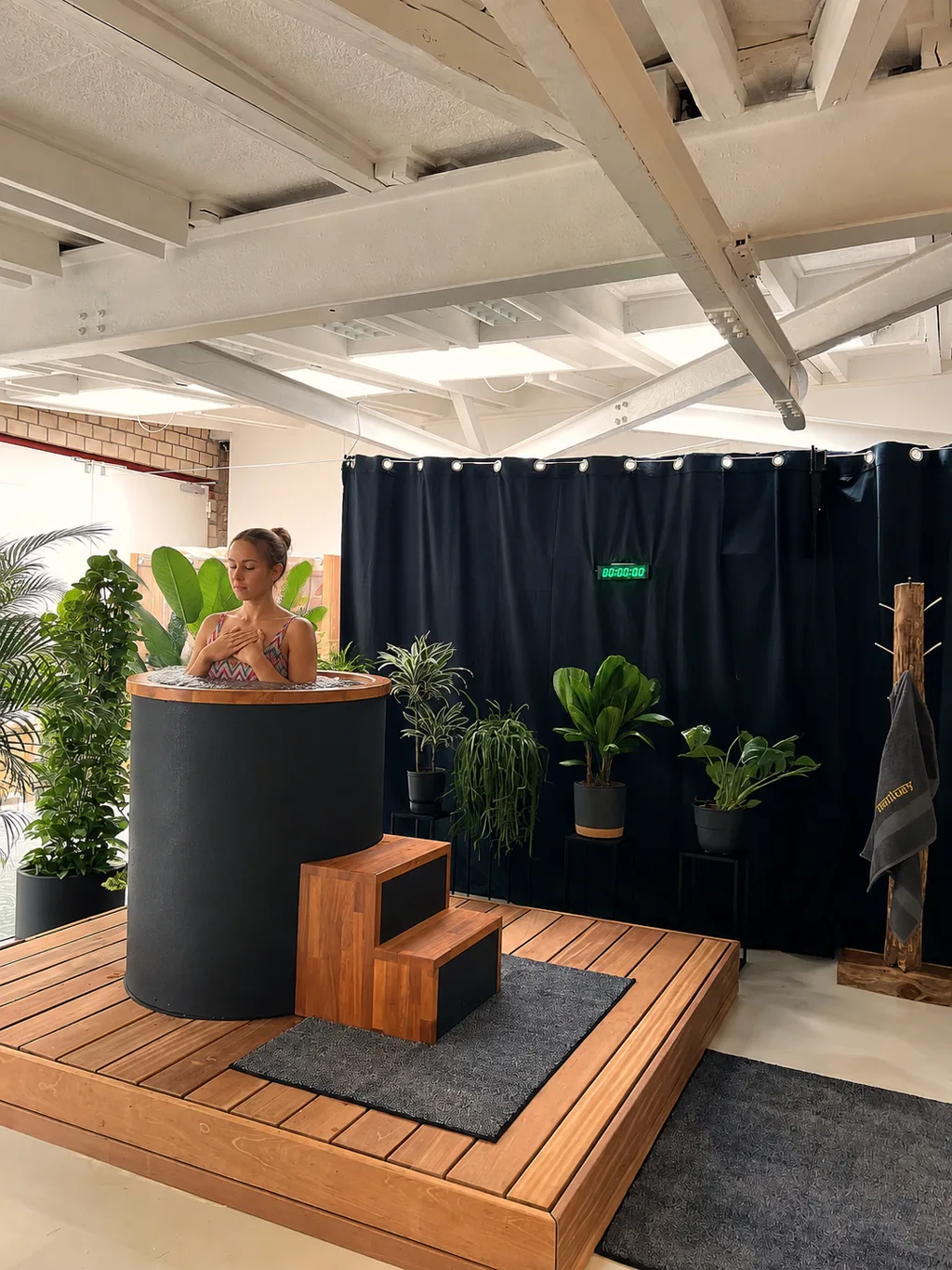
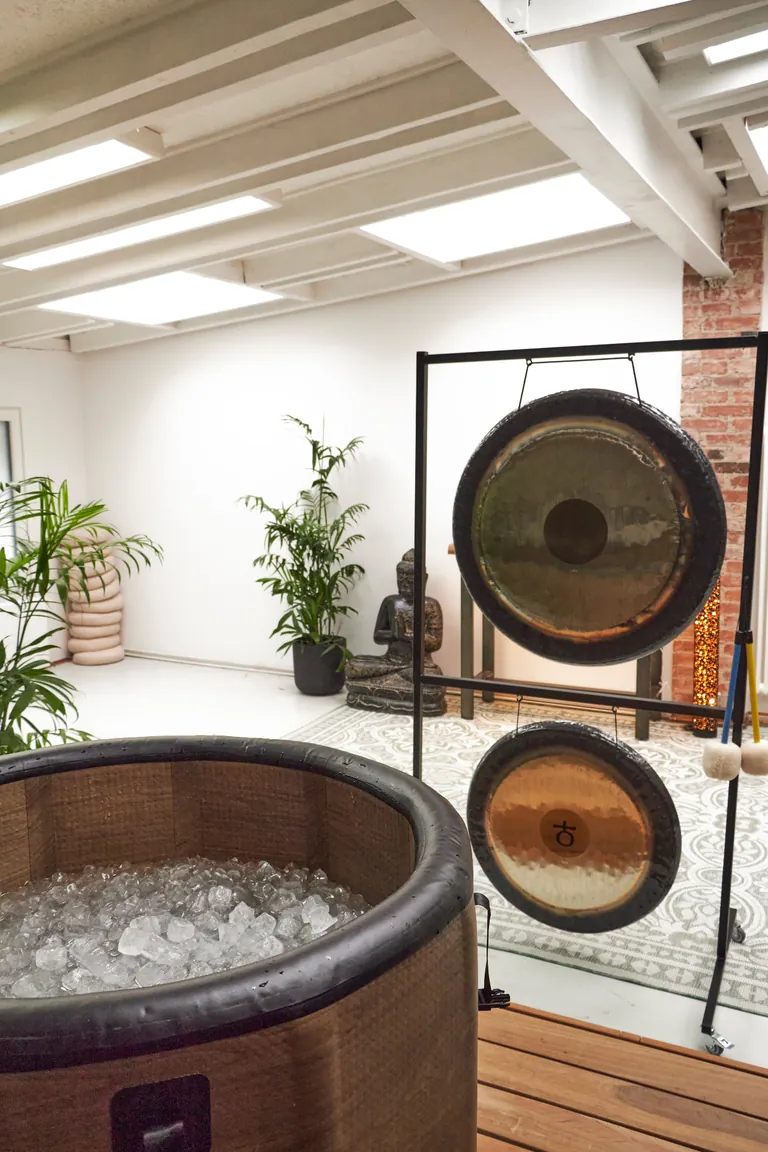
An ice bath (cold plunge) is a short, deliberate dip in very cold water. At Zenctuary there are two pools: 6–8 °C for getting started and 0–2 °C for experienced users.
What is contrast therapy?
Contrast therapy alternates heat and cold – at Zenctuary, infrared sauna (65–75 °C) and ice bath. Many find it energising and deeply relaxing afterwards.
Sauna or ice bath first?
Usually warm up in the infrared sauna first, take a short ice bath, then warm up again and rest. In Free Flow you choose the order and number of rounds yourself.
Can beginners ice bath?
Yes. The 6–8 °C pool is meant for getting started, and our team is happy to give you tips on site. No experience needed.